Table of Contents
Staring at a blinking cursor for hours, fingers flying across keys only to be met with frustrating typos or wrist fatigue that creeps in by mid-afternoon – sound familiar? For coders, the keyboard isn’t just an input device; it’s the primary interface between brilliant ideas and functional code. A poorly chosen board can derail productivity, introduce errors, and even lead to long-term discomfort, turning the creative process into a physical chore. In an era where development environments are increasingly complex and remote work is the norm, investing in the right mechanical keyboard becomes less of a luxury and more of a fundamental tool for sustained focus and output. The difference between a keyboard that merely works and one that actively enhances your workflow is profound, impacting everything from typing accuracy to mental stamina during those deep coding sessions.
Forget flashy RGB for a moment (though ambiance has its place!). For the coder, the real magic lies beneath the keycaps – in the switches, the layout, the tactile feedback, and the subtle ergonomics that make thousands of keystrokes feel effortless. The year 2026 brings refined technologies and a deeper understanding of how specific keyboard features directly translate to coding efficiency and comfort. This guide cuts through the marketing noise to focus on the essential characteristics that genuinely matter when you’re writing, debugging, and iterating code all day, every day. We’ll explore the critical considerations that transform a simple input device into a precision instrument for your craft, ensuring your next keyboard purchase is an investment in smoother workflows and healthier, more productive coding sessions.
Top 10 Mechanical Keyboards for Coders
Detailed Product Reviews
1. Redragon K668 RGB Gaming Keyboard, 108 Keys Wired Mechanical Keyboard w/Extra 4 Hotkeys, Sound Absorbing Foams, Upgraded Hot-swappable Socket, Mixed Color Keycaps x 2 Sets, Red Switch

Overview: The Redragon K668 is a full-size wired mechanical gaming keyboard featuring hot-swappable Red switches, dual keycap sets, and extensive RGB lighting. Designed for gamers seeking customization and comfort, it combines anti-ghosting functionality with sound-dampening foam for an immersive experience.
What Makes It Stand Out: Its dual mixed-color PBT keycap sets enable immediate aesthetic customization, while the integrated 3.5mm sound-absorbing foam eliminates “ping” noise for cleaner audio feedback. The 19 onboard RGB modes—including music-sync—operate without software, and the dedicated macro keys enhance gameplay efficiency.
Value for Money: Priced competitively under $60, it outperforms similarly priced non-hot-swap keyboards. The inclusion of two keycap sets and switch-replacement tools adds long-term value, though premium PBT keycaps on higher-end models may justify slightly pricier alternatives.
Strengths and Weaknesses: Strengths: Hot-swap compatibility (3/5-pin), exceptional noise reduction, dual keycap versatility, and 108-key anti-ghosting. Weaknesses: RGB software customization is limited compared to competitors, and the linear Red switches lack tactile feedback preferred by typists.
Bottom Line: An outstanding entry-level hot-swap keyboard for RGB enthusiasts and gamers prioritizing noise reduction and keycap flexibility. Ideal for those upgrading from membrane keyboards without breaking the bank.
2. Redragon Mechanical Gaming Keyboard Wired, 11 Programmable Backlit Modes, Hot-Swappable Red Switch, Anti-Ghosting, Double-Shot PBT Keycaps, Light Up Keyboard for PC Mac

Overview: This Redragon K671 offers a focused mechanical typing experience with hot-swappable Red switches, double-shot PBT keycaps, and 11 backlight modes. Tailored for productivity and gaming, it emphasizes durability and macro efficiency across Windows and macOS.
What Makes It Stand Out: The double-shot PBT keycaps ensure long-lasting legends and crisp backlighting, while the dedicated macro-editing software enables complex key remapping. Its plug-and-play 11 backlight modes (with adjustable speed/brightness) work seamlessly without drivers.
Value for Money: At $50–$60, it delivers exceptional value with PBT keycaps and hot-swap sockets rarely found in this range. The 24-month warranty surpasses industry standards, though the non-customizable RGB colors limit visual personalization versus rivals.
Strengths and Weaknesses: Strengths: Durable PBT keycaps, intuitive macro software, true anti-ghosting for all keys, and strong cross-OS compatibility. Weaknesses: RGB color options are fixed, and Redragon’s software interface feels dated compared to Corsair or Logitech.
Bottom Line: A superb budget macro keyboard for hybrid work/gaming use. Choose this for reliable PBT durability and macro functionality, but consider pricier options if customizable RGB is essential.
3. RK ROYAL KLUDGE R98 Pro Wired Mechanical Keyboard, 96% Creamy Gaming Keyboard RGB Backlit with Number Pad and Volume Knob, Gasket Mount, MDA Profile PBT Keycaps, Hot Swappable Pre-lubed Linear Switch

Overview: The RK R98 Pro is a 96% compact gasket-mounted keyboard blending workspace efficiency with gaming flair. It features pre-lubed Cream switches, MDA-profile PBT keycaps, and a detachable volume knob, targeting enthusiasts seeking a “thocky” typing experience.
What Makes It Stand Out: Its five-layer sound-dampening foam and gasket mount produce a uniquely creamy, thocky sound profile. The MDA-profile keycaps enhance ergonomics, while the aluminum volume knob (detachable for travel) and dedicated indicator lights elevate daily usability.
Value for Money: Priced around $75, it’s a steal for a pre-built gasket keyboard with premium features. Competitors often charge $100+ for similar specs, though the Cream switches may wear faster than industrial-grade alternatives.
Strengths and Weaknesses: Strengths: Exceptional gasket-mounted acoustics, ergonomic MDA keycaps, versatile volume knob, and robust online configurator. Weaknesses: Cream switches lack longevity for heavy typists, and the compact layout sacrifices some function keys.
Bottom Line: A near-perfect balance of typing satisfaction and functionality for compact-layout lovers. Highly recommended for writers and gamers wanting premium acoustics without DIY assembly.
4. Keychron C2 Full Size Wired Mechanical Keyboard Compatible with Mac, Keychron Brown Switch, 104 Keys ABS Retro Color Keycaps Gaming Keyboard for Windows, USB-C Type-C Braid Cable
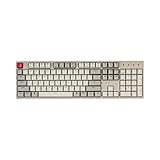
Overview: The Keychron C2 is a Mac-optimized full-size wired keyboard with tactile Brown switches and retro ABS keycaps. It prioritizes productivity with OS-specific shortcuts, making it ideal for office use and casual gaming.
What Makes It Stand Out: Dedicated Mac/Windows keys (including Siri/Cortana) and included OS-specific keycaps ensure seamless cross-platform switching. The non-backlit retro design avoids RGB distractions, while the braided USB-C cable and adjustable feet enhance desk ergonomics.
Value for Money: At $55, it’s a budget-friendly Mac-centric mechanical board. The tactile Brown switches offer better feedback than membrane keyboards, though the ABS keycaps may shine faster than PBT alternatives in higher-priced models.
Strengths and Weaknesses: Strengths: Mac/Windows dual compatibility, ergonomic incline, durable braided cable, and office-friendly aesthetics. Weaknesses: ABS keycaps lack durability, no backlighting, and limited gaming features like anti-ghosting.
Bottom Line: The top choice for Mac users needing a distraction-free, productivity-focused mechanical keyboard. Avoid if RGB or gaming-centric features are priorities.
5. Redragon K689 Wired Gasket RGB Gaming Keyboard, 108 Keys Mechanical Keyboard w/Extra 4 Hotkeys, Upgraded Hot-swappable Socket, 3-Layer Noise Dampening, Mixed Color Keycaps, Custom Linear Switch

Overview: The K689 redefines Redragon’s lineup with a gasket-mounted chassis, triple-layer noise dampening, and custom Dragon Chant linear switches. This full-size keyboard targets audiophiles seeking a “silky creamy” typing experience.
What Makes It Stand Out: Its precision-locked silicone gasket mount and three foam layers (PO, IXPE, socket) eliminate hollow sounds, while the factory-lubed Dragon Chant switches deliver ultra-smooth linear travel. The 108-key layout retains macro hotkeys for gaming versatility.
Value for Money: Priced near $70, it undercuts premium gasket boards like Drop’s offerings by 30–40%. The triple dampening and hot-swap sockets provide audiophile-tier performance unmatched in its class, though RGB software remains basic.
Strengths and Weaknesses: Strengths: Industry-leading noise dampening, gasket-mounted comfort, hot-swap flexibility, and vibrant dual-color keycaps. Weaknesses: RGB customization is limited, and the large footprint may overwhelm smaller desks.
Bottom Line: A revelation for typing acoustics at its price point. Essential for noise-sensitive environments and switch enthusiasts, but RGB purists should look elsewhere.
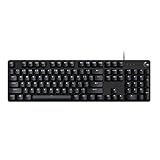
6. Logitech G413 SE Full-Size Mechanical Gaming Keyboard - Backlit Keyboard with Tactile Mechanical Switches, Anti-Ghosting, Compatible with Windows, macOS - Black Aluminum
Overview:
The Logitech G413 SE is a premium wired mechanical keyboard targeting serious gamers seeking reliability and durability. Built with a brushed aluminum top case and PBT keycaps, it emphasizes longevity and a refined aesthetic, featuring white LED backlighting and tactile mechanical switches for precise input.
What Makes It Stand Out:
Its standout features include the aircraft-grade aluminum construction for exceptional sturdiness, heat-resistant PBT keycaps that resist shine, and genuine tactile switches offering distinct feedback. The 6-key rollover anti-ghosting ensures accuracy during intense gameplay, while the clean, minimalist design suits both gaming and professional setups.
Value for Money:
Priced mid-to-high range, it delivers excellent value through superior build quality and long-term durability. While cheaper membrane or plastic alternatives exist, the G413 SE’s aluminum frame and PBT keycaps justify its cost for users prioritizing longevity over flashy RGB or wireless features.
Strengths and Weaknesses:
Strengths: Exceptional aluminum build; durable PBT keycaps; responsive tactile switches; reliable anti-ghosting; clean, professional design. Weaknesses: Limited backlighting (only white LEDs); no dedicated media keys; macOS key labeling requires adaptation; higher price than entry-level mechanicals.
Bottom Line:
Ideal for gamers and professionals seeking a durable, no-nonsense mechanical keyboard with premium materials. Its focus on reliability over extravagance makes it a worthwhile investment for those valuing long-term performance.
7. AULA 99 Key Keyboard, Tri-Mode Bluetooth/2.4GHz/USB-C Cute Creamy Gaming Keyboard with Number Pad RGB Backlit, Media Knob Custom Mechanical Feel Computer Keyboards for MAC Xbox PC Gamer - Purple

Overview:
The AULA S99 is a versatile 96% layout wireless membrane keyboard blending retro aesthetics with modern functionality. It offers tri-mode connectivity (Bluetooth 5.0, 2.4GHz, USB-C), customizable macros, RGB backlighting, and a dual-mode rotary knob, targeting casual gamers and productivity-focused users.
What Makes It Stand Out:
Its tri-mode flexibility allows seamless switching between devices, while the unique dual-mode knob adjusts volume, lighting, and modes effortlessly. The compact layout retains a numpad, and full-key programmability with dedicated macro keys (M1-M3) enhances workflow efficiency across gaming and office tasks.
Value for Money:
Positioned affordably, it excels as a multi-device productivity tool. Though it uses membrane switches (not mechanical), the price reflects its tri-mode convenience, ergonomic stand, and vibrant RGB—outperforming single-mode competitors in versatility for home/office use.
Strengths and Weaknesses:
Strengths: Excellent multi-device support; intuitive rotary knob; compact yet full layout; comfortable ergonomics; vibrant RGB; 1-year warranty. Weaknesses: Membrane switches lack mechanical feedback; no hot-swap capability; RGB customization is limited; keycaps may wear faster than PBT.
Bottom Line:
A stellar choice for multi-device users prioritizing convenience and aesthetics over mechanical switch performance. Best suited for casual gaming and office work where wireless flexibility trumps tactile precision.
8. Newmen GM325Pro Mechanical Keyboard,104 Keys Rainbow LED Backlit Wired Gaming Keyboards,Hot-Swap Metal Panel ABS Black Keycaps Gaming Mechanical Keyboard for Windows Laptop PC Linear Red Switches

Overview:
The Newmen GM325Pro is a budget-friendly wired mechanical keyboard featuring hot-swap switches, a full-size metal top plate, and distinctive RGB side lighting. Designed for gamers seeking customization without breaking the bank, it uses linear Red switches and offers software-driven macro programming.
What Makes It Stand Out:
True hot-swap sockets (compatible with 3/5-pin switches) allow effortless switch customization—a rarity at this price. The aluminum top plate ensures stability, while RGB side-edge lighting creates a unique ambient glow. Detachable USB cable enhances portability for LAN events.
Value for Money:
Outstanding value under $50. It rivals pricier keyboards with its hot-swap feature, metal build, and full-key rollover. While keycaps are ABS (less durable than PBT), the price-to-performance ratio is exceptional for modders and budget-conscious gamers.
Strengths and Weaknesses:
Strengths: Genuine hot-swap capability; sturdy aluminum frame; detachable cable; smooth linear switches; customizable RGB software; affordable. Weaknesses: ABS keycaps prone to shine; RGB limited to side lighting; basic software; no dedicated media keys.
Bottom Line:
A top-tier budget pick for tinkerers and entry-level gamers. Its hot-swap flexibility and metal construction make it a compelling value, despite minor compromises in keycap material and lighting scope.
9. RK ROYAL KLUDGE S98 Mechanical Keyboard w/Smart Display & Knob, Top Mount 96% Wireless Mechanical Keyboard BT/2.4G/USB-C, Hot Swappable, Software Support, Creamy Sounding, 98 Keys

Overview:
The RK S98 is a premium 96% wireless mechanical keyboard featuring a smart OLED display, multi-mode connectivity, and hot-swap sockets. It emphasizes acoustic refinement with sound-dampening foams and a top-mount design, targeting enthusiasts seeking a serene, customizable typing experience.
What Makes It Stand Out:
The vibrant OLED display shows battery status, layouts, and custom GIFs, while the multifunction knob adjusts volume, lighting, and modes intuitively. Triple connectivity (Bluetooth 5.0/2.4G/USB-C), combined with sound-absorbing foams reducing hollowness by 80%, creates a uniquely quiet, “creamy” sound profile.
Value for Money:
Competitively priced for its feature set, it justifies cost with the OLED display, hot-swap support, and exceptional sound tuning. Outshines similarly priced keyboards by merging aesthetics, acoustics, and wireless versatility in one cohesive package.
Strengths and Weaknesses:
Strengths: Innovative smart display; superb noise reduction; seamless tri-mode; satisfying creamy acoustics; hot-swap sockets; compact 96% layout. Weaknesses: Cream switches may feel too soft for some; OLED customization requires software; no dedicated macro keys.
Bottom Line:
A must-consider for users valuing aesthetics, acoustics, and wireless freedom. The smart display and noise-dampening elevate it beyond typical mechanical keyboards, ideal for streamers and quiet-work environments.
10. Redragon K556 RGB LED Backlit Wired Mechanical Gaming Keyboard, 104 Keys Hot-Swap Mechanical Keyboard w/Aluminum Base, Upgraded Socket and Noise Absorbing Foams, Quiet Linear Red Switch

Overview:
The Redragon K556 is a hot-swap mechanical keyboard with an aluminum base, noise-dampening foams, and vibrant RGB lighting. Aimed at gamers and modders, it combines robust build quality with customizable linear Red switches and extensive onboard lighting controls.
What Makes It Stand Out:
Its near-universal hot-swap compatibility (99.8% of 3/5-pin switches) and tank-like aluminum base set it apart. Integrated noise-absorbing foams reduce keycap rattle, while 20 RGB presets and software customization offer deep personalization without sacrificing stability.
Value for Money:
Excellent value for hot-swap enthusiasts. The aluminum construction and switch compatibility rival keyboards costing significantly more. Though software is basic, the focus on hardware quality makes it a budget-friendly gateway to mechanical customization.
Strengths and Weaknesses:
Strengths: Unmatched hot-swap reliability; sturdy aluminum frame; effective noise reduction; bright RGB with 20 modes; quiet linear switches; affordable. Weaknesses: Software lacks advanced features; ABS keycaps; RGB software dependency for full customization.
Bottom Line:
A standout choice for modders seeking a durable, customizable foundation. Its hot-swap prowess and aluminum build deliver pro-level tinkering at an entry price, perfect for upgrading from membrane or basic mechanicals.
Understanding Core Mechanical Keyboard Components for Coding
Switch Types: Tactile, Linear, and Clicky Explained
The heart of any mechanical keyboard is its switches, and choosing the right feel is paramount for coders. Tactile switches provide a noticeable bump mid-press, offering excellent feedback that can reduce typos by confirming actuation without needing to bottom out. This is often favored for its balance of speed and accuracy during long typing marathons. Linear switches offer a smooth, consistent press from top to bottom, preferred by some coders for rapid key repetition and gaming-like speed, though they lack the distinct confirmation point. Clicky switches add an audible click sound alongside the tactile bump, providing strong sensory feedback that many find satisfying and precise, though the noise level might be prohibitive in shared or quiet office spaces. Your personal preference for feedback and sound significantly impacts fatigue and accuracy over extended periods.
Actuation Force and Travel Distance Considerations
Beyond the type, the specific actuation force (how hard you need to press) and travel distance (how far the key moves) of switches critically influence coding comfort. Lower actuation forces (e.g., 35g-45g) require less finger pressure, potentially reducing strain during high-volume typing, which is common when writing code. Higher forces (e.g., 50g-60g+) can provide more resistance, potentially improving accuracy for some by preventing accidental presses but might contribute to fatigue faster. Similarly, shorter travel distances can enable faster key presses, while longer travels might offer more control. Coders often seek a “sweet spot” – enough travel for control without excessive finger movement, and force that minimizes effort without sacrificing precision for complex keyboard shortcuts.
Keycap Materials and Profiles: Durability and Feel
What your fingers actually touch all day matters immensely. Keycap material affects longevity and texture: ABS plastic is common and affordable but prone to shine and wear over time, especially on frequently used keys like Enter or Shift. PBT plastic is significantly more durable, resistant to shine, and often has a slightly textured feel that many coders prefer for consistent grip, even during long sessions. Keycap profile (the shape and height) influences ergonomics and typing accuracy. Lower profiles like DSA or OEM offer a flatter surface, potentially reducing finger travel. Higher profiles like Cherry or DCS provide more sculpting, which can guide fingers naturally but might require more vertical movement. Coders often prioritize profiles that minimize finger strain and maximize comfort for their specific hand size and typing style.
Ergonomics: Protecting Your Most Valuable Asset
The Case for Split Keyboards and Tenting
Standard flat keyboards force your hands into an unnatural, pronated position (palms down), which can strain wrists and forearms over hours of typing. Split keyboards physically separate the left and right key clusters, allowing you to position each half directly in line with your shoulders and forearms, promoting a more neutral, relaxed hand posture. This alignment significantly reduces ulnar deviation (bending wrists inward) and can prevent or alleviate repetitive strain injuries (RSIs) like carpal tunnel syndrome – a major concern for professional coders. Many splits also support tenting (angling the inner edges upwards), further aligning the keyboard with the natural angle of your hands when resting relaxed, distributing pressure more evenly across the palms.
Adjustable Feet and Negative Slope Options
Even non-split keyboards benefit from thoughtful ergonomics. Adjustable feet are crucial for achieving the optimal keyboard height relative to your desk and chair. The goal is to have your forearms roughly parallel to the floor or sloping very slightly downwards towards the keyboard, with elbows bent at 90-110 degrees. Crucially, many ergonomics experts recommend a negative slope (the top of the keyboard slightly lower than the front edge) instead of the traditional positive tilt (front raised). This negative slope helps maintain a straighter, more neutral wrist position, reducing extension (bending wrists upwards). Look for keyboards with feet that allow for flat placement or even dedicated negative tilt stands for maximum comfort during extended coding sessions.
Wrist Rests: When and How to Use Them
A quality wrist rest can be beneficial, but it’s often misunderstood. Its primary purpose is to support the heel of your hand during brief pauses between typing bursts, not to rest your wrists while actively typing. Typing with constant wrist pressure on a rest creates compression in the carpal tunnel. Choose a rest that is wide enough to support the hand comfortably without forcing the wrist into an awkward angle, and made from a supportive yet yielding material (gel, memory foam). Ensure it positions your hands so that when typing, your wrists remain straight and float slightly above the rest. The rest should be at the same height as the keyboard’s spacebar row when the keyboard is in its optimal negative slope position.
Layout and Form Factor: Maximizing Efficiency
Full-Size vs. Tenkeyless (TKL) vs. Compact (60%, 65%, 75%)
The numeric keypad (numpad), while useful for data entry, consumes significant desk space and forces the mouse further away, potentially straining your shoulder. Tenkeyless (TKL) keyboards remove the numpad, creating a more centralized workspace that brings the mouse closer, reducing reach and promoting better posture. For many coders working primarily with text, compact layouts (60%, 65%, 75%) eliminate the numpad, arrow clusters, and function row, drastically reducing the physical footprint. This minimizes mouse travel distance even further and encourages the use of efficient layer-based shortcuts (accessed via Fn keys) for navigation and symbols, which can become second nature and boost speed. The trade-off is accessing certain keys requires using layers, which has a learning curve but often leads to greater long-term efficiency for text-centric work.
Programmability and Layer Management
The true power of compact and even TKL keyboards for coders lies in deep programmability. Being able to remap any key, create complex macros for frequently used code snippets or commands, and define multiple layers is transformative. Imagine having a single key press insert console.log() or your standard function template. Layers allow you to access arrow keys, media controls, or even a dedicated numpad on demand without sacrificing the compact footprint. Look for keyboards with robust onboard memory (storing profiles directly on the board, not relying on software) and intuitive layer switching (e.g., momentary hold for a layer, or toggle). Good firmware (like QMK or VIA compatibility) is essential for flexible, granular customization tailored precisely to your IDE and workflow.
Dedicated Navigation Clusters and Macro Keys
While compact boards rely on layers, some keyboards (especially 75% or 80%) integrate dedicated navigation clusters (Insert, Home, PgUp, Delete, End, PgDn) directly above the arrow keys. This provides immediate, layer-free access to these crucial cursor movement keys without stretching, which is a significant efficiency gain over pure 60% layouts where these are often buried on layers. Similarly, dedicated macro keys, separate from the main alphanumeric grid, offer one-press access to complex sequences without disrupting your typing flow. For coders who constantly navigate large files or run repetitive commands, these dedicated keys can shave off countless milliseconds and reduce finger travel significantly over the course of a day.
Connectivity, Stability, and Build Quality
Wired vs. Wireless: Latency and Reliability
Wired USB connections offer the absolute lowest latency and zero risk of dropouts – critical for some gamers, but generally less crucial for pure coding where millisecond delays are imperceptible. However, the clutter of cables can be annoying. Modern wireless mechanical keyboards, particularly those using Bluetooth LE or dedicated 2.4GHz dongles, have achieved near-undetectable latency (often <10ms) and excellent battery life (months or even years). For coders prioritizing a clean desk and freedom of movement, high-quality wireless is now a very viable, often preferred option. Ensure the keyboard has a reliable wireless implementation with stable connections and easy pairing, especially if switching between multiple devices (laptop, desktop, tablet).
Stabilizers: Preventing Rattling on Larger Keys
Stabilizers are the mechanisms (typically wire or plate-mounted) that keep larger keys (Spacebar, Enter, Shift) from wobbling or producing loud, distracting rattles when pressed off-center. Poor stabilizers are a major source of frustration and noise. Look for keyboards that use high-quality, lubricated stabilizers (like Cherry or Durock designs). Wire-in-stem stabilizers generally offer better stability and less noise than cost-cutting alternatives. While often invisible in marketing, good stabilizers are a hallmark of a well-tuned keyboard experience, ensuring every keypress, even on the big keys, feels solid and consistent – essential for maintaining focus during intense coding.
Plate and Case Materials: Impact on Sound and Feel
The internal plate (usually metal or plastic) and the outer case material significantly influence the keyboard’s acoustic profile and overall typing feel. Aluminum plates add substantial weight, dampen higher-frequency “ping” sounds, and provide a very solid, premium typing experience, often preferred for their “thocky” sound profile. Steel plates are common and durable but can produce a brighter, higher-pitched sound. Plastic plates are lighter and cheaper but can feel less substantial and sometimes lead to a “hollow” sound. Similarly, an aluminum case adds weight and dampens sound effectively, while plastic cases are lighter but may resonate more. For coders in shared spaces or who prefer a quieter workspace, a combination of aluminum plate/case with appropriate internal dampening (foam, tape) is often ideal for achieving a deep, muted sound signature.
Specialized Features for the Development Workflow
Dedicated Function Rows and Symbol Access
Efficient coding requires frequent access to symbols ({ } [ ] ( ) ; : , .), brackets, and special characters. Keyboards with dedicated function rows (F1-F12) are essential, but layouts that make common symbols easily reachable without constant Shift or AltGr usage are a major plus. Some boards feature ergonomic layouts where critical symbols are on the home row layer or easily accessed via a single modifier. Others might have dedicated keys for common dev symbols. Consider how intuitively the layout places the symbols you use most often in your specific programming languages to minimize finger contortions and modifier key dependency.
Onboard Memory and Profile Switching
Onboard memory allows you to save multiple fully customized keymaps directly to the keyboard itself. This is invaluable for coders who work across different machines (work laptop, personal desktop, maybe a virtual machine) or use different IDEs requiring specific keybindings. Instead of reinstalling software profiles or manually reprogramming, you can switch between pre-saved layouts with a simple key combination. Look for keyboards offering multiple onboard profiles (e.g., 3-5+) and intuitive, reliable profile switching. This feature ensures your meticulously crafted coding environment travels with the keyboard, not just your software setup.
Hot-Swappable Sockets: Future-Proofing Your Investment
Hot-swap sockets allow you to change mechanical switches without soldering. This is a game-changer for coders. Your switch preference might evolve as you type more, or you might want to experiment with different switches under specific keys (e.g., heavier switches for Shift/Ctrl). If a switch fails, you can replace it easily. This feature dramatically extends the usable lifespan of the keyboard and lets you tailor the feel precisely to your needs over time, protecting your investment as your coding habits or physical requirements change. While adding slightly to the initial cost, hot-swap capability is increasingly seen as essential for a serious, long-term coding tool.
Durability and Long-Term Value
Switch Lifespan Ratings and Real-World Expectations
Mechanical switches are rated for tens of millions of keystrokes (e.g., 50M, 80M). While these ratings are lab-tested maximums under ideal conditions, they indicate relative durability. Higher-rated switches generally signal better build quality and longevity. For a coder typing 10,000+ keystrokes daily, a 50M switch rating translates to many years of reliable service. While failure is rare within a typical professional lifespan, understanding these ratings helps gauge the robustness of the core component. Focus on reputable switch manufacturers known for consistency.
Build Quality Indicators: Fit, Finish, and Assembly
Beyond specs, tactile build quality matters. Examine the keyboard’s construction: Is the case solid with minimal flex? Do the keycaps sit flush and stable? Is there any noticeable wobble in the board itself? Does the typing sound consistent across all keys, indicating good stabilizers and assembly? A well-built keyboard feels substantial and precise, inspiring confidence. Look for tight tolerances between the case halves, quality-feeling keycaps (PBT is a good sign), and consistent switch performance. This attention to detail often correlates with a longer, more satisfying ownership experience, reducing the need for frequent replacements.
Repairability and Component Availability
A keyboard that’s easy to service enhances its longevity. Keyboards with hot-swap sockets are inherently more repairable for switch issues. Consider the availability of replacement keycaps (standard layouts like Cherry profile are universally supported) and whether common stabilizers (Cherry-style) are used, making future repairs feasible. Some manufacturers offer better spare parts support than others. While not always top-of-mind during purchase, knowing your keyboard isn’t a disposable item but a tool you can maintain adds significant long-term value, especially for a device subjected to daily, intensive use.
Frequently Asked Questions
Frequently Asked Questions
What switch type is generally best for minimizing typos while coding? Tactile switches are often recommended for coding due to the distinct bump providing clear feedback on actuation, helping reduce bottoming out and accidental presses, which can lead to fewer typos compared to linear switches for many users.
Is a split keyboard really necessary for preventing wrist pain during long coding sessions? While not mandatory for everyone, split keyboards significantly reduce strain by allowing a neutral hand and arm position, aligning with ergonomic best practices. They are highly recommended for coders experiencing discomfort or looking to proactively prevent repetitive strain injuries.
Do compact keyboards (60%, 65%) hinder productivity for coders who need arrow keys and function keys often? Initially, there’s a learning curve to accessing these keys via layers, but most coders adapt quickly. The reduced desk footprint and minimized mouse travel often lead to increased overall efficiency and less physical strain, making the trade-off worthwhile for text-heavy work.
How important is wireless connectivity reliability for a coding keyboard? Modern high-quality wireless (Bluetooth LE, 2.4GHz dongle) offers latency so low it’s imperceptible for typing. Reliability is generally excellent; if the board has good reviews for stable wireless performance, it’s a viable and often preferred option for a clean workspace.
Can I effectively use a keyboard with linear switches for coding, or are tactile/clicky mandatory? Linear switches are perfectly viable and popular among many coders who prioritize speed and smooth presses. The choice is highly personal; if you prefer the smooth action and don’t miss the tactile bump, linear switches can be excellent for fast, fluid typing.
What does “hot-swap” mean, and why is it valuable for a coding keyboard? Hot-swap sockets allow you to remove and replace mechanical switches without soldering. This lets you experiment with different switch feels, replace failed switches easily, and customize the board over time, significantly extending its useful life as your needs change.
Should I prioritize an aluminum plate/case for a quieter typing experience in an office? Yes, aluminum plates and cases generally dampen higher-pitched “ping” sounds and produce a deeper, quieter “thock” sound profile compared to steel or plastic, making them ideal for shared or quiet office environments.
How does keycap material (ABS vs. PBT) impact long-term use for coders? PBT keycaps are far more durable, resistant to shine and wear (especially on frequently used keys), and often have a slightly textured feel that maintains grip better over years of heavy use compared to ABS, which tends to become smooth and shiny.
Is a wrist rest beneficial, and how should it be positioned while actively typing? A wrist rest should only support the heel of your hand between typing bursts, not during active typing. Position it so your wrists remain straight and float slightly above the rest while typing, with your keyboard at a slight negative slope for optimal ergonomics.
Will a more expensive mechanical keyboard necessarily be better for coding than a budget option? Not always. While build quality and features often scale with price, the best keyboard is the one that matches your specific ergonomic needs, switch preference, and layout requirements. A well-chosen mid-range board tailored to your workflow is far superior to an expensive one that doesn’t fit. Focus on the critical features that matter for your coding habits.
See Also
- Top 10 Best Mechanical Keyboards for Gaming in 2026
- 10 Best Mechanical Keyboards for Students on a Budget in 2026
- How to Choose the 10 Best Mechanical Keyboards for Home Office Use in 2026
- 10 Essential Mechanical Keyboards Every Content Creator Needs in 2026
- 10 Expert-Recommended Programmable Mechanical Keyboards for Developers in 2026